
Knowing how to choose a quality handbag comes down to six checks: dense, well-finished material; straight, tight stitching; weighty hardware; a neatly attached lining; a shape that holds itself; and reinforced straps. A bag that passes all six will look good for years, whatever the label says.
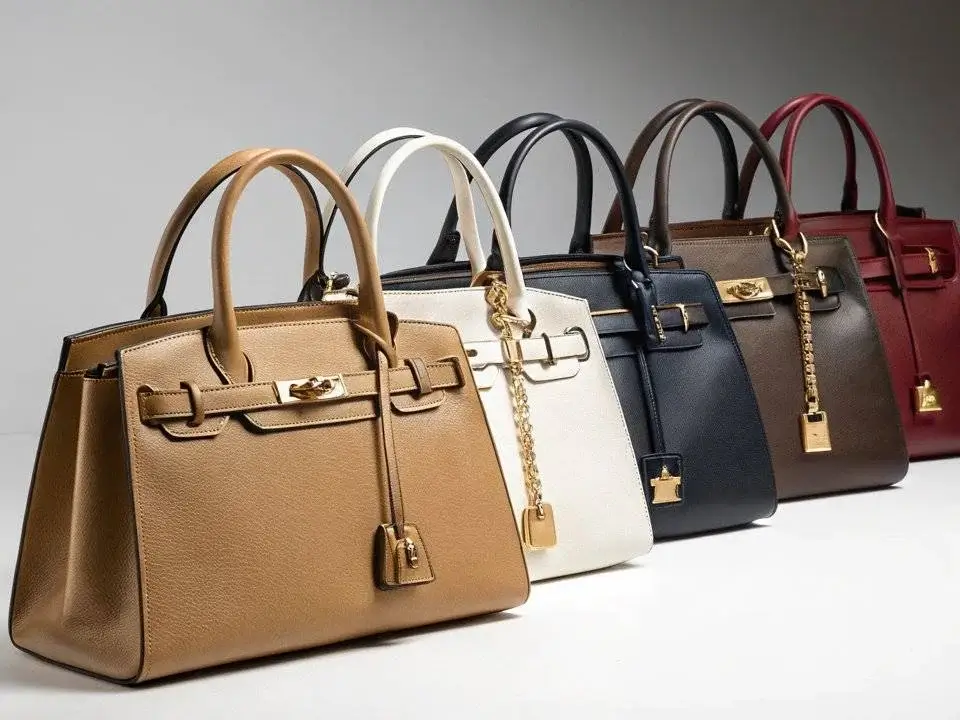
Price alone tells you surprisingly little. Some expensive bags are held together with glue and hope; some accessible ones are built beautifully. What matters is knowing where quality lives, and it lives in details you can inspect in under two minutes. This guide walks through each one.
Quality Handbag Checklist at a Glance.
| Element | What Quality Looks Like | Red Flag |
|---|---|---|
| Material | Dense, supple, consistent grain or finish | Plasticky shine, papery thinness |
| Stitching | Straight, tight, even; doubled at stress points | Loose threads, wandering seams |
| Hardware | Weighty, smooth-moving, evenly finished | Feather-light clasps, flaking colour |
| Lining | Taut, neatly anchored, cleanly seamed | Sagging, puckering, glue marks |
| Structure | Stands or drapes as designed, empty | Collapses into a puddle |
| Straps & handles | Reinforced joins, comfortable width | Thin single-stitched attachment points |
| Zips & closures | Glide in one smooth motion | Snagging, misaligned teeth |
| Edges | Smooth, sealed, evenly painted | Rough, cracking or bubbled edges |
How to Choose a Quality Handbag: 7 Things to Inspect.
1. Start With the Material.
Material is the single biggest predictor of how a bag ages. Full-grain and top-grain leather develop character over time; cheaper split or bonded leathers crack and peel instead. Good leather feels dense and slightly waxy, with a grain that varies naturally rather than repeating like wallpaper.
Quality is not exclusive to leather. Well-made coated canvas, saffiano-style textured finishes and premium vegan materials can outlast mediocre leather, the tell is density and a matte, even surface. Whatever the material, thin and shiny is the combination to walk away from.
2. Read the Stitching Like a Contract.
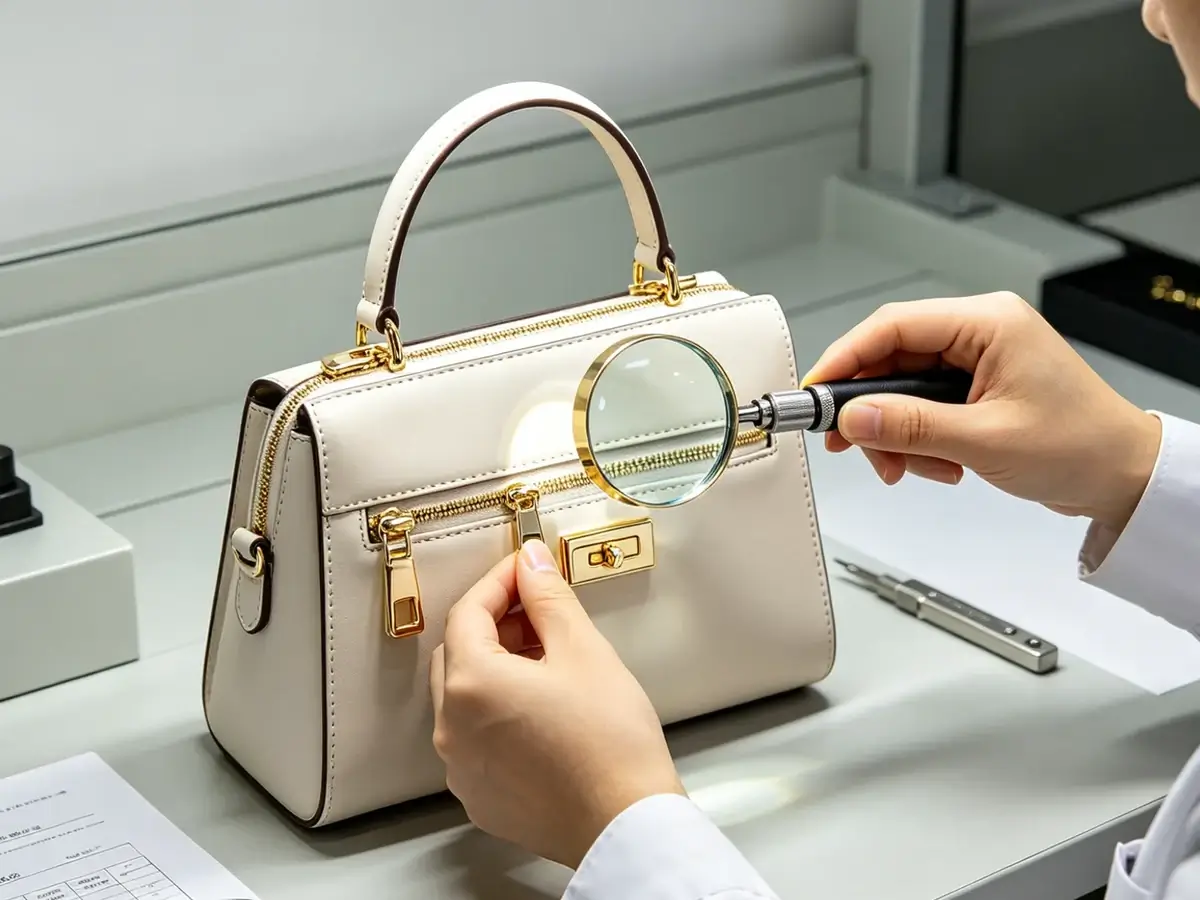
Stitching is where corners get cut first, because most shoppers never look. You should see short, even, straight stitches with no loose threads, and doubled or reinforced rows wherever a strap meets the body. Gently press a seam apart with your thumbs, if you can see daylight or glue between stitches, keep browsing.
3. Weigh the Hardware in Your Hand.
Zips, clasps, buckles and feet are the moving parts of a bag and the first things to fail on a cheap one. Quality hardware feels cool and weighty, moves smoothly without force, and carries an even finish with no rough casting edges. Run every zip fully open and closed before buying; a zip that snags in the store will not improve at home.
4. Check the Lining. It Is the Bag’s Conscience.
A maker who spends properly where you cannot see has spent properly everywhere. Look for a lining that sits taut against the walls, with clean seams, anchored corners and pockets that are stitched, not glued in place. Turn the bag toward the light and look inside: puckering fabric and glue shadows are quiet confessions.

5. Test the Structure Empty.
Set the bag down empty. A structured style should stand on its own; a soft hobo should drape with intention rather than collapse. Structure comes from proper reinforcement between the outer material and lining, it is what keeps a two-year-old bag from looking like a deflated balloon on your shoulder.
6. Pull on the Straps and Handles.
Straps carry the entire load, so their attachment points matter more than anything else on the bag. Look for rivets, doubled stitching or stitched-and-folded joins where strap meets body, and give them a firm tug. Then test the drop length on your shoulder, a quality bag you cannot carry comfortably is still the wrong bag.
7. Finish With the Edges.
Edge finishing is craftsmanship in miniature. Quality bags have edges that are folded, sealed or evenly painted so they feel smooth under a fingertip. Rough, bubbled or already-cracking edge paint is the earliest visible sign of a bag built to a deadline rather than a standard.
Match the Bag to Your Life Before You Buy.
Quality only pays off on a bag you actually carry. Decide what the bag is for before falling for how it looks: our breakdown of tote, crossbody, shoulder and top-handle styles explains which shape suits which day. Carrying a laptop most days points to a structured tote, see the tote styles worth knowing. Living hands-free points to the crossbody shapes everyone is searching for.
Think in wardrobes, not single purchases. One well-chosen neutral bag anchors an entire fall capsule wardrobe and earns its place in every suitcase you pack ,the same logic behind our luxury travel outfit guide. Black, tan, cream and chocolate work with virtually everything you own.

Price vs Quality: What You Are Actually Paying For.
A high price guarantees a brand’s margin, not a bag’s construction, which is why the checks above matter at every price point. Judge any bag by cost-per-wear: a well-made bag carried two hundred days a year is cheaper than a bargain that sags by spring. Luxury-inspired pieces built on iconic silhouettes can deliver the look and the construction without the four-figure logo tax, provided they pass the same seven checks.
Care: Making a Good Bag Last a Decade.
- Store it stuffed with tissue and upright in a dust bag, never hanging by the straps.
- Rotate between two or three bags so no single one carries every day’s weight.
- Condition leather a couple of times a year; wipe coated finishes with a barely damp cloth.
- Keep it off the floor and away from direct sun, which fades dye unevenly.
- Caught in rain? Blot, never rub and let it dry away from heat.

Frequently Asked Questions.
How can you tell if a handbag is good quality?
Check six things: dense material, straight tight stitching, weighty smooth hardware, a taut neatly-seamed lining, a shape that holds itself empty, and reinforced strap joins. A bag that passes all six is well made.
What handbag material lasts the longest?
Full-grain leather lasts longest and ages best, developing character rather than cracking. Dense coated canvas and quality textured finishes are close behind and handle daily wear and weather well.
What should I check when buying a handbag online?
Zoom into photos of stitching, edges and hardware; read the material description carefully; check the measurements and strap drop against a bag you own; and confirm the return policy before paying.
How many handbags does a woman actually need?
Four cover almost every life: an everyday tote, a hands-free crossbody, a polished shoulder bag and one elegant occasion bag. Quality in four beats quantity in fourteen.
What colour handbag is the most versatile?
Tan and black are the most versatile, followed closely by cream and chocolate. All four pair with a full neutral wardrobe across every season.
How should I store handbags to keep their shape?
Stuff them with tissue paper, stand them upright in dust bags on a shelf, and never hang them by the straps, hanging stretches the join points that carry all the weight.
Which handbag style is the most durable?
Structured totes and crossbodies in dense materials tend to last longest, because their construction distributes weight evenly and their shapes hide everyday wear better than soft, unstructured styles.
Final Thoughts.
Choosing a quality handbag is not about memorising brands, it is about trusting your hands. Dense material, honest stitching, weighty hardware, a tidy lining and a shape that stands on its own: five minutes of inspection buys you years of daily elegance.
Ready to put the checklist to work? Explore the structured shapes in our bags collection and choose the one your hands agree with.
2 responses to “How to Choose a Quality Handbag: A Buyer’s Guide.”
[…] Leather, coated canvas, suede and durable woven textures all create different moods. Leather feels polished and luxurious, while canvas offers lighter, more casual practicality. To judge quality at a glance — stitching, hardware, lining, edges — use the checks in our handbag buyer’s guide. […]
[…] carry badly. Our designer tote bags guide covers which shapes actually hold a working day, and the quality handbag buyer’s guide covers what to check before you […]